Friday, November 30, 2012

Raising emotionally healthy children


BUILDING your child's self-esteem is one of the most important things you can do as a parent. When you start with these positive changes, it will stick with your child for their entire life.

The early childhood years are a critical time in the formation of self-esteem. During these first years, children form impressions of their capabilities and self-worth based on their successes and the feedback they receive.

* Independence

In order to develop a healthy self-esteem, a child needs to learn how to do things on his own. Parents can help a child accomplish difficult tasks, set challenging, yet realistic, goals and offer encouragement to meet those goals.

As a child grows, parents should step back to let him solve problems and complete tasks on his own. A child will have many chances to learn how to be independent and competent as he grows.

Parents should allow as much freedom as possible and only step in when the child is getting overly frustrated.

* Special Gifts

A healthy self-esteem will flourish as a child develops his own special gifts. To build confidence and self-esteem, a school-aged child can be given chores and allowed to participate in the age-appropriate activities that spark his interest.

Chores allow a child to contribute to the home and family in a positive way. Activities that are challenging, but doable, give a child a sense of pride and a chance to set achievable goals.

The self-esteem of peer-oriented children will always be dependent on the way others perceive them. A positive self-esteem means that children and teens consider themselves to be valuable even when they are being judged by others.

* Challenges

Children with a strong sense of self-worth are able to take on challenges, believe in their ability to be successful, and see setbacks as temporary situations that can be overcome.

Children with poor self-image are easily discouraged, lack initiative to begin daunting tasks and see obstacles as defeating and permanent.

* Praise and Encouragement

Self-esteem begins at a child's earliest memories. The things you say and do to your children will have a huge impact on your children for the rest of their lives. Children thrive on praise.

You can never "spoil" a child with praise. You should always offer praise to your child for a job well done.

No feat or activity is too small for praise and encouragement. Your child needs to know that you are there always, that you love him and that you believe in him.

This will help him build confidence that he needs later in life for everything that he tries to do.

* Criticism

Criticism should always be constructive and you should remind your child of their positive traits and abilities and of how much you love them even when you have to scold or correct them.

Encouragement will go a long way to helping your child's self esteem. Encouragement can make a shy child come out of his shell and try something new.

* Ongoing Development

Fostering and building a children's self-esteem is an ongoing job for a parent. One that begins at birth and continues through childhood and into adulthood. A child with a healthy self-esteem will have confidence in himself and his abilities. Self-esteem can serve as a protective armor that helps a child grow and get through the turbulent adolescent years to become a successful, confident adult.

If the seeds of self-esteem are not planted in a child when they are young, it can be very difficult to develop later in life.

TIPS

Responsible Parenting

* Be conscious and aware of what is said to a child. Children tend to hang on the words of their parents, and words can often linger in either a positive or negative way. Praising a child will help them develop a confident self-esteem and feel good about themselves, while putdowns can leave them questioning their abilities and not feeling confident.

* Watch your own behavior and action as a role model. Children learn from the behaviors and actions of their parents. It is better to show an optimistic attitude around the child, as the child will mirror that behavior.

* Show an abundance of affection toward the child. Children respond well to love. They thrive on being hugged and shown warmth. Love and appreciation goes a long way towards nurturing a positive and healthy self-esteem.

* Make sure the home life environment is safe. A child that does not feel they are going home to a safe environment will be more anxious. When children observe parents fighting and arguing, they tend to become depressed and withdrawn.

* As the child grows older encourage him to become part of a volunteer programme. This allows the child to be placed in the position to do good things for others and feeling affirmed for the good job they do. Exposure to positive feedback will nurture their self-esteem.

Practical Student at NSTP Series I


Hari ini HH nak berkongsi cerita mengenai jamuan perpisahan sempena Pelajar Praktikal Fakulti Pengurusan Maklumat, UiTM di New Straits Times Press (Malaysia) Berhad, Resource Centre (NSTP-RC). Siapa lagi kalau bukan HH dan D’Gojess Waras.

Perjumpaan pertama bersama NSTP-RC adalah pada 20hb July 2012, perjumpaan ini merupakan lapor diri bagi pelajar praktikal yang berkaitan. Kami di bawa terus ke Editorial Support Service (ESS) bagi perjumpaan bersama Ketua Bahagian ESS, iaitu Tuan Haji Shukor Ali.

Gambar 1: Antara koleksi "Clipping" yang di simpan di "Engineering Store"

Gambar 2: Antara Index ringkas untuk "Paper Cutting"

Gambar 3: Antara koleksi gambar dari tahun 70an

Gambar 4: Envelope Firs Day Cover (Keluaran selepas MERDEKA)


Gambar 5: Antara subjek logo yang ada. Institut Teknologi MARA yang kini dikenali Universiti Teknologi MARA

Gambar 6: Koleksi kumpalan surat kabar Berita Harian dan sebagainya
Gambar 7: Antara koleksi yang masih digunakan- Microfiche


Gambar 8: "Exhibition Board" yang direka khas oleh Executive RC- En. Zahili

Gambar 9: Melihat koleksi gambar Dato Muhyiddin Yassin sempena lawatan khas Timbalan Perdana Menteri bersama isteri Datin Nuraine ke NSTP-RC

Kehadiran kami di sambut baik oleh mereka dan di maklumkan agar kami terus kekal dan menabur bakti di NSTP-RC untuk kejayaan dan kebangkitan NSTP-RC. Beliau berkata, kami amat mengalu-alukan kedatangan generasi muda yang membawa Gen Y ke dalam ESS, ini bertujuan membawa idea dan perubahan yang selari dengan pekembangan teknologi dan isu semasa.

Setelah kata-kataTn. Hj. Shukor Ali, kami di bawa berkenalan dengan rakan-rakan dari ESS, di mana kami di kenalkan dengan belasan pekerja dari bahagian ESS, seterusnya kami di bawa terus kepada unit yang di tuju iaitu Unit Resource Center yang berada di bawah pentadbiran ESS.

En. Ramlan Ramli merupakan pengurus RC untuk tahun ini dan seterusnya, perjumpaan dengan beliau membuahkan rasa cinta dan bersemangat terhadap RC. Mengapa? RC yang diwujudkan ini memberi seribu makna buat pengguna dalam dan luar, banyak aktiviti yang telah dijalankan oleh pihak RC bagi memberi kesedaran terhadap Perpustakaan, Pusat Sumber dan News and Images Bank (NIB).

NIB

Ini merupakan salah satu product yang diperkenalkan dibawah pentadbiran ESS dan rakan kerja NSTP yang lain. Selain product NST seperti E-paper yang di perkenalkan mengabungkan Berita Harian, Harian Metro dan New Straits Times, namun kejayaan NIB juga patut di banggakan kerana pihak RC telah melakukan usaha besar dalam memberi pendedahan kepada pengguna di luar sana J.

News & Image Bank adalah pencarian surat kabar secara atas talian dalam mencari Artikel Berita, Gambar, dan salinan PDF yang telah diterbitkan oleh The News Straits Times Press (M) Berhad (NSTP)

Koleksi NIB

NB menyimpan:
*New Straits Times (including Life &
  Times, Streets, Learning Curve, Niexter,
  Supplements, Property, Tech & U),
* New Sunday Times,
* Business Times,
* Berita Harian, Berita Minggu (Malay)
* Harian Metro, Metro Ahad (Malay),
* Sunday Mail, Malay Mail & Weekend
   Mail (till April 2008)


Penerbitan

#The Text Archive for the English &   
   Malay dailies goes back to 1994
# Malay Mail Page Archive (2004-2008)
# Sunday Mail Page Archive (2004-2006)
# Weekend Mail Page Archive (2006-
   2008)
# Business Times, New Straits Times,
   Berita Harian and Harian Metro Page   
   Archive (2004 till current)

Wednesday, November 28, 2012

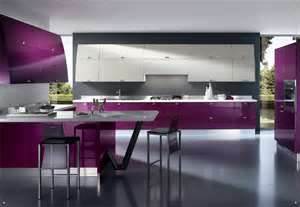
Home design on a budget

IF you have bought a new home and are planning on moving in soon, then read on.

After spending your hard earned money on buying the perfect house, decorating it can be expensive especially when on a tight budget. Putting your own style and decor will be pleasing and less expensive rather than hiring a professional to design your house.

Here are a few things to keep in mind before getting in your old furniture or buying new ones:

The dimensions of each room, like the living room, bedroom, the kitchen, etc. have to be measured along with the window space. Once that is in order, the next thing is to wall paper or paint the house. If it is newly constructed you should not have this problem, but if you are the second owner, then you may want to do it. Lighting is also important at this point. Only selected old furniture that is presentable and useful should be brought in, otherwise it would be better to discard it before entering the new home.

* Living room: Maybe the old sofa can be brought in with the side tables and the television. Curtain and rugs can accentuate the room, and if you have to buy them to fit the place, big prints are more advisable. An artificial flower arrangement with big bright flowers on one corner, or on the mantel will make the room look elegant and pleasing.


* Bedroom: A decent bed is all you need. If you already have it, then great! Otherwise, it is time to go to the nearest store and purchase it. Storage space for your personal items is necessary and should match your furniture. A soft, plush, area rug placed on either sides of the bed will provide you a soft place for your feet to land when you wake up.


* The Children's Bedroom: It should be bright and airy, with lovely pleasing to the eye wallpaper and matching curtains. Of course, if your children are small, a bunk bed to one side would be advisable, leaving enough space for them to play with their toys. A study table should also be available for their use as well.


* Kitchen: Good storage cabinets along with a side table are required to store cooking utensils, plates, cups, etc. and give you a space to work on. Packaged food lying around can look messy, so a cabinet is required.


* The Dining Area: This can be a separate area or can be incorporated in the kitchen. The dining table is the place where the family sits together, so it should be big enough to accommodate all members of the house, and at the same time appeal to the eye. A pastel tablecloth with a bright rug below will keep it simple yet elegant. A fresh floral centerpiece personally arranged, will give this place the finish touch.


Now that you have your house nearly done, think of the remaining areas such as the bathrooms and accessories, corridors, entrance, and all the corners that may be left unattended.

Defensive driving tips


Picture 1: Drive Smart

DEFENSIVE driving means the driver behind the wheels is free from any form of distractions.

It is crucial that the driver gives full concentration on driving. It also entails proper communication with other people on the road.

Defensive driving can be a significant asset to you and other drivers because it helps you avoid accidents, and save yourself and others on risky road conditions, or when others drive erratically.

* STEPS

1. Blind Spots 

Pay attention to drivers' blind spots, particularly during heavy traffic. Again, you cannot control how other people behave on the road.

In some cases, drivers may not notice their blind spots before they change lanes.

Blind spots can be found at the rear, and side of the cars.

To keep your safety on the road, it is important to maintain a safe distance between you and the next car to prevent accidents.

2. Don't Slam on Brakes

Don't slam your brakes whether in traffic, or when approaching a red light.

Defensive drivers know that slamming the brakes is dangerous and usually unneeded.

To avoid impulsive braking, maintain a two-car distance from the rear of the car in front of you.

If another car follows too closely behind, calmly step on your brakes to give him a fair warning.

This should alert him and give him adequate time to move back.

3. Traffic Lights

When traffic lights turn green, some drivers imprudently pick up speed immediately. They think that green lights always means go.

To ensure your safety on the road, stay on for about two to three seconds before driving.

You will not know if another driver is rushing through the red light, and may cause a serious accident.

When you are positioned behind another car at the traffic lights, make sure you can watch his tyres.

Failing to see it may limit the reaction time for you and other drivers to respond.

4. Signal Lights

Many drivers commit the error of turning on their signal lights at last minute.

Some believe the usage of blinkers is a courtesy rather than a requirement.

Let others predict your next move so they can also respond suitably to your actions.

Keep in mind that signal lights will capture attention, and you need to get the attention of other drivers when changing lanes.

Indecisiveness to turn on your signal lights may lead to collision, panic, and road rage.

5. Road Conditions

Knowing how to deal with the present road conditions is crucial in defensive driving.

Always anticipate unexpected road conditions and traffic circumstances.

Reading or reviewing road signs regularly will avert the risk of accidents.

For example, many drivers do not respond well in sudden rain shower.

Always slow down your pace significantly and pay attention to drivers who have not reduced speed.

TIPS

How to Drive Smart

Being a safe and responsible driver takes a combination of knowledge, skills, and attitude. These safety procedures will help you drive smarter on the road.

* Be physical and mentally alert. You must be in good physical and mental condition to drive. Do not drive when you are sick, tired, angry, injured, drinking alcohol or anything that may reduce your ability to drive.

* Know your vehicle. Knowing your vehicle can provide you with a better understanding how it operates. There are different characteristics including anti-lock brakes, 4-wheel drive, automatic and manual vehicles.

* Fasten the seat belt. To become a smart driver you must always buckle your seat belt.

* Turn on headlights. The No.1 rule when driving is to make sure you have perfect vision of vehicles and also that others can see you. Use your high beams only when there are no street lights and when it is pitch black.

* Use signals. Whenever you switch lanes, leaving the road, moving out from a parked position, or turning, you must signal. Signalling is important, as it provides other drivers a chance to predict your next move and also give them 3-5 second heads up so they can react.

* Stay within the speed limit. Obey the maximum speed limit signs along the road, it allows the drivers to stop safely. When there is bad weather, heavy traffic or construction, try to drive slower with caution.

Tuesday, November 27, 2012

Thank to all readers

Hye everybody :) HH just now a statistic from Blogger and Google regarding page-views for this month. I'm so shock that I got readers from Malaysia, United States, Russia, Indonesia, Germany, United Kingdom, South Korea, Israel, India, Netherlands, France and other, I cannot state every page-view from which country.

This post are purposely to appreciate and thank you to all my readers. If you guys have an idea and anything to say, please do not hesitate to email me at hamizi_hamid89@yahoo.com if you need further information or clarification.

Thank you, HH love all of you..

Picture 1: HH wanna say Thank You and Love all of you..

Monday, November 26, 2012

How to choose the right handbags

HANDBAGS are now becoming one of the most important accessories that can make or break a savvy women entire look.

There are so many assortments of handbags you can find in the market today, ranging from branded purses to designer-inspired ones and from the tiniest evening bags to the largest messenger bags.

Different kinds of fashion handbags are the reason why a woman seems to be not contented with one or two handbags. And it is no longer a surprise that a woman's closet can keep a line of handbag.


Picture 1: Dior Handbag in Fashion Show 2011-2012

When looking for a handbag it is important to consider practicality, quality, style and value for money.

However, it is also important to pick the right choice of handbags that can match with your personality and outfits. In order to make it possible, you have to get the best style and consider your fashion sense.

There are different kinds of fabrics, leathers, colors, textures and styles of handbags that are available. It is really important to choose a handbag that best suits your own desire and the purpose of buying it as you shop.

Following the latest fashion trends of handbags and buying the most expensive designer handbags may not make you shine. Rather buying the right handbag that matches your figure and personality is the key consideration.

Bear in mind that anything you wear there must be some coordination and balance with your body. For some women who are fashion enthusiasts, choosing and matching handbags comes naturally and is simple but for others it may not be the case.

Here are some guidelines to help you in choosing the right handbag.

1. Select the right size of handbag. The first thing to consider before buying a handbag is to know the right size of a handbag for your body type. According to most fashion experts if you are short and petite, choose small handbags to go with your outfit. By selecting big handbags will only make you look smaller. If you are tall and slim, you may choose mid-size, bulky and large handbags because these sizes will best suit your stature rather than small handbags.

Picture 2: Gucci Men's Fashion Watch Model

2. Pick the right shape of handbag. Choosing the right shape of handbag for your body type is another consideration before buying it. Carrying a handbag that is proportionate to your body stature really helps to enhance your overall look.

Your choice of handbag shape should be the reverse of your body type. If you are short and petite, tall and rectangular bag is suitable for you to make you look elevated. If you are slim and tall, you should choose rounded handbag to best match your look.

3. Choose colour that complements your outfit. For fashion enthusiasts, matching the color of handbag to your outfit and shoes is equally important. If you are sporty and fun type, you may try buying a colorful handbag that has dominant colors that will match most of your clothes. For the more pragmatic type, you may buy a plain color neutral handbag and black may be a popular choice as it always comes in style and fashion. Brown and white colors are also easy match with most of your clothes.

4. Choose styles and designs according to occasion. Every occasion, place and season calls for different styles and designs of handbags. Be sure that you choose a handbag that complements well to the particular occasion and place.

Looking for the best combination of style, price and value of handbags is indeed challenging, but it is still a fact that such accessories are among the most important of all fashion trends, and that can provide a certain pleasure to any woman who carries it.

Picture 3: Choose the right handbag


Credit to NST and Yahoo
This article only for share in HH Blog. Love you all...

Kebaikan filem penapis haba

Lazimnya, pengguna hanya mengetahui filem penapis haba hanyalah sebagai aksesori tambahan pada kenderaan dan berfungsi untuk mengurangkan kadar kepanasan dalam ruang kabin kenderaan. Ianya juga dilihat daripada sudut bergaya dan mencantikkan kenderaan dan kerana itu jugalah ramai pengguna kenderaan pada masa kini berpusu-pusu untuk memasang filem penapis haba. Tidak dinafikan, disebabkan peningkatan suhu global juga mendorong pengguna menjadikan pemasangan filem penapis haba sebagai pilihan utama pada kenderaan mereka.

Sebenarnya, tidak ramai yang mengetahui pengurangan kadar haba dalam kabin kenderaan mampu memanjangkan jangka hayat sistem penghawa dingin dan enjin kenderaan selain daripada penjimatan bahan bakar seperti yang diketahui umum. Mari samasama kita rungkaikan fakta ini.

Memanjangkan jangka hayat sistem pendingin hawa

Sistem pendingin hawa kenderaan kita terdiri daripada beberapa komponen utama seperti air-cond compressor, magnetic clutch, air-cond condenser, air-cond dryer, cooling coil, air-cond blower, air-cond valve dan beberapa liquid pressure pip/hose.

Segala komponen ini akan berkerja keras untuk memastikan pemandu dan penumpang merasa selesa ketika pemanduan. Tetapi jika kadar kepanasan dalam kabin sentiasa meningkat disebabkan faktor cuaca dan ditambah pula dengan suhu badan manusia sudah semestinya komponen-komponen ini terpaksa terus berfungsi untuk satu masa yang lama. Sekaligus disebabkan penggunaan yang terlalu tinggi pada sistem ini akan menyebabkan berlaku kehausan melampau pada komponen-komponen ini dan kerosakan pada sistem akan berlaku dengan cepat.

Oleh itu filem-filem penapis haba berfungsi untuk memantul semula kadar kepanasan dari cuaca luar sebanyak yang mungkin dan mengurangkan kadar kepanasan dalam kabin. Apabila suhu dalam kabin dapat diturunkan dengan cepat akan membantu komponen-komponen ini berhenti dengan cepat melalui isyarat air-cond valve yang terdapat pada cooling coil secara automatik dan komponen yang berfungsi hanyalah aircond blower untuk memastikan pemandu dan pengguna terus mendapat udara dingin.

Sistem penghawa dingin berfungsi secara automatik iaitu berfungsi apabila suhu kabin panas dan berhenti apabila suhu kabin mencapai suhu yang dikehendaki oleh pemandu atau penumpang yang dilaras dibahagian papan kemuka, dan berfungsi semula secara automatik apabila suhu kabin meningkat semula.

Memanjangkan jangka hayat enjin

Comproser air-cond digerakkan oleh magnetic clutch yang dibantu oleh pusingan enjin. Magnetic clutch ini akan melekat pada compressor aircond dengan bantuan magnet apabila tenaga elektrik disalurkan padanya oleh sistem penghawa dingin. Setiap kali magnetic clutch ini melekat pada compressor maka setiap kali itu jugalah akan menambah beban pada enjin kerana untuk memusingkan compressor aircond memerlukan tenaga yang banyak oleh enjin. Keadaan ini juga bukan sahaja menyumbang kepada peningkatan penggunaan minyak malah memendekkan jangka hayat enjin. Cara yang praktikal pengurangan penggunaan compressor air-cond dengan menurunkan suhu dalam kabin kenderaan.

Maka lebih tinggi suhu dalam kabin lebih lama compressor air-cond perlu diputarkan. Apabila enjin dipandu dalam keadaan bebanan berterusan akan menyebabkan pengumpulan karbon diruang pembakaran. Ia juga akan meningkatkan kadar kehausan pada injap ekzos. Antara kesan-kesan awal enjin mula mengalami kehausan melampau atau pengumpulan karbon dalam ruang pembakaran adalah enjin mengalami kehilangan kuasa, walau selepas servis sekalipun.

Memilih untuk memasang filem kaca memang ideal untuk kenderaan anda, tetapi pemilihan filem kaca yang tepat juga perlu diberi perhatian kerana jika dilihat dipasaran negara kita banyak jenama dan jenis filem kaca yang muncul seperti cendawan selepas hujan. Rike Cool sentiasa memastikan keselamatan, keselesaan dan penjimatan wang ringgit anda untuk jangka masa yang panjang.

- Sumbangan: Persatuan Keselamatan Pengguna Kuala Lumpur (PKPKL); PKPKL@hotmail.com
Sumber dari Berita Harian
Perkongsian untuk pembaca Blog HH.. love you all..